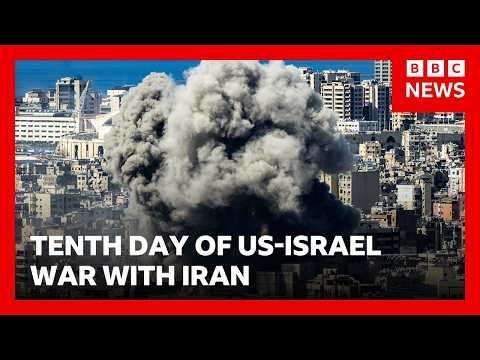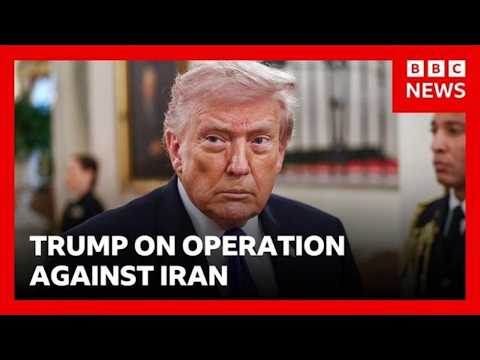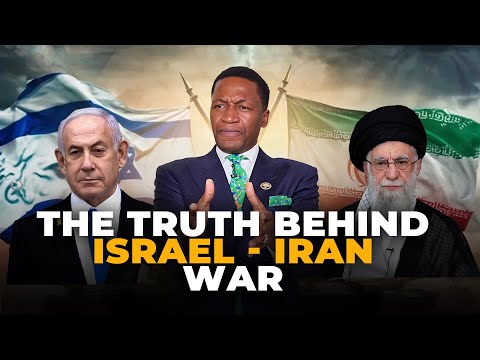
HARARE – Uebert Angel, a Zimbabwean prophet and businessman, has sparked controversy with his analysis of the escalating conflict between Iran and Israel, delivered in a recent online broadcast. The analysis comes amid heightened global tensions following reported attacks and retaliatory measures between the two nations, triggering discussions about Zimbabwe's potential exposure to geopolitical fallout.
Historical Context of Iran-Israel Tensions
The roots of the Iran-Israel conflict are deeply embedded in decades of geopolitical maneuvering, religious differences, and competing regional ambitions. Following the 1979 Iranian Revolution, relations between the two nations deteriorated sharply, transforming a once-cooperative dynamic into open hostility. Iran's support for groups like Hezbollah and Hamas, coupled with its nuclear ambitions, has consistently fueled Israeli security concerns. The current escalation builds upon years of proxy conflicts, cyber warfare, and covert operations, pushing the region closer to direct confrontation.
Analyzing Zimbabwe's Position in the Geopolitical Landscape
Prophet Angel's commentary raises critical questions about Zimbabwe's vulnerability to global conflicts. As a nation with strong ties to both Western and Eastern powers, Zimbabwe navigates a complex diplomatic landscape. The country's economic reliance on international trade and investment makes it susceptible to shifts in global power dynamics. Furthermore, Zimbabwe's internal political stability could be affected by external conflicts, particularly if they exacerbate existing social and economic challenges. A prolonged Iran-Israel conflict could impact fuel prices, agricultural imports, and access to international financing, potentially destabilizing Zimbabwe's already fragile economy.
Potential Economic and Social Impact on Zimbabwe
According to economist Dr. Thando Sibanda, "A protracted conflict between Iran and Israel could trigger a ripple effect across global markets, impacting Zimbabwe's access to essential commodities and potentially driving up inflation." Specifically, rising oil prices could inflate transportation costs, affecting the price of food and other essential goods. Moreover, disruptions to global supply chains could hinder Zimbabwe's ability to import critical agricultural inputs, jeopardizing food security. The potential for increased social unrest due to economic hardship cannot be discounted, necessitating proactive measures by the government to mitigate the impact.
Reactions from Zimbabwean Society and Government
Public reaction to Prophet Angel's analysis has been mixed, with some praising his insights and others questioning his authority on geopolitical matters. Government officials have remained largely silent on the issue, but analysts suggest they are closely monitoring the situation. The Zimbabwean Ministry of Foreign Affairs is likely assessing the potential implications for the country's diplomatic relations and economic interests. Meanwhile, social media platforms are abuzz with discussions about the conflict, reflecting a heightened awareness of global events among Zimbabwean citizens.
Navigating the Future: Zimbabwe's Strategic Options
As the Iran-Israel conflict unfolds, Zimbabwe faces the challenge of safeguarding its national interests in an increasingly volatile global environment. Strengthening diplomatic ties with key international partners, diversifying economic dependencies, and investing in domestic resilience are crucial steps. The government must prioritize policies that promote economic stability, food security, and social cohesion to mitigate the potential negative consequences of the conflict. By adopting a proactive and strategic approach, Zimbabwe can navigate these turbulent times and secure its future.